November 11, 2026
A roof protects the structure from weather, helps maintain indoor comfort, and contributes to curb appeal. Modern shingle roofing gives homeowners a range of options that combine practical performance with attractive designs. Manufacturing improvements have expanded the choices available for different homes.
When planning a replacement, look beyond color and cost. Durability, ventilation, maintenance needs, and installation quality all influence how well the finished system performs. Understanding these features simplifies selection. Experienced local roofing contractors can also evaluate the existing roof, explain suitable materials, and help homeowners compare options based on the property's needs.
1. Enhanced Durability and Weather Resistance
A major quality of modern shingles is their ability to stand up to regular environmental exposure. A roof must handle sunlight, wind, rain, humidity, and changing temperatures while continuing to protect the structure beneath it. Modern asphalt shingles are manufactured with layered construction and protective surfaces intended to resist common sources of wear. These features create a dependable covering for many residential properties.
Some products are designed with enhanced resistance to wind uplift, while others offer added protection against impacts from hail or airborne debris. These performance characteristics vary by product, so homeowners should review manufacturer information instead of assuming every shingle provides the same level of protection.
Durability also depends on the components beneath and around the shingles. Underlayment provides an additional barrier against moisture, and flashing directs water away from roof openings, walls, and intersections. Proper fastening and sound roof decking are equally important. Even well-made shingles can fail prematurely when supporting materials are damaged or installation is careless. An evaluation identifies weaknesses before installation.
Local roofing contractors can inspect the roof's structure and discuss products with appropriate performance ratings. They can also explain how roof slope, exposure, and existing construction affect material selection. This guidance helps homeowners look beyond appearance. It can also help identify products with suitable ratings for the property's exposure. Asking about installation requirements, warranty conditions, and recommended upkeep before choosing a material gives homeowners a clearer picture of what to expect after the project is complete.
2. Attractive Styles and Customization Options
Modern shingles offer homeowners considerable flexibility in the way a property looks. Products are available in a broad selection of colors, textures, shapes, and profiles, making it possible to coordinate the roof with siding, brick, stone, trim, and other exterior features. A thoughtful selection can complement the home's architecture and create a cohesive appearance. Local roofing contractors can help compare styles without requiring changes to the rest of the property.
Architectural shingles are a popular option because their dimensional construction creates depth and texture. Their layered appearance can resemble more expensive roofing while retaining asphalt's practical characteristics. These products provide visual variation from the street.
Color also plays an important role in the finished result. Neutral shades can blend naturally with many exterior palettes, while darker or more varied tones can create contrast and emphasize architectural details. Homeowners should compare samples in natural light and consider permanent exterior features.
The right style should balance personal preference with the home's overall design. Homeowners may also want to review how different products look on homes with similar rooflines and exterior finishes. This can make comparisons more practical and help narrow the choices before requesting a project estimate.
3. Improved Energy Efficiency and Indoor Comfort
Roof materials can influence how much sunlight-driven heat enters the home. Some modern shingles are designed with reflective granules or other features that help reflect sunlight rather than absorb as much of its energy. These properties may reduce attic heat buildup and support indoor comfort.
Reflective roofing materials can be worth considering in areas that receive strong sunlight for extended periods. However, shingle selection is only part of a home's energy performance. Insulation, ventilation, air sealing, roof orientation, and the efficiency of the heating and cooling equipment all affect indoor temperatures. Roofing material alone will not solve comfort problems. Local roofing contractors can help identify relevant roof-related factors.
Attic ventilation is especially important because trapped heat and moisture can affect the roof and living space. Proper airflow helps manage attic conditions and can reduce the risk of moisture-related deterioration. Ventilation must allow airflow without creating openings for water or pests.
During a roofing evaluation, local roofing contractors can look for ventilation concerns and explain whether improvements should be considered alongside new shingles. Addressing insulation or ventilation during replacement can improve the system. Product specifications can also help homeowners compare reflective options and determine whether they suit the property's needs.
4. Manageable Maintenance and Long-Term Performance
Many homeowners value roofing materials that provide dependable protection without demanding constant attention. Modern shingles are designed to withstand routine exposure while maintaining their appearance and function. They still require maintenance, but a properly installed system is straightforward to monitor. Local roofing contractors can explain practical upkeep.
Periodic inspections can reveal loose or missing shingles, damaged flashing, debris buildup, and signs of moisture intrusion. Early attention can prevent water from reaching decking or interior finishes.
The lifespan and performance of shingles depend on product quality, installation, ventilation, weather exposure, and maintenance. Reviewing manufacturer warranties can clarify what is covered and which conditions may affect coverage. Warranties do not replace upkeep or eliminate the need for repairs.
When damage appears, a professional can determine whether a localized repair is appropriate or whether broader work is needed. Matching replacement shingles may depend on the original product's availability and how much the existing roof has weathered. Prompt repairs limit moisture exposure. Regular attention supports the roof's performance and helps homeowners make informed decisions about future maintenance. Keeping records of inspections and completed repairs can also provide useful background when questions arise about the roof's condition or warranty coverage.
5. Efficient Installation and Professional Workmanship
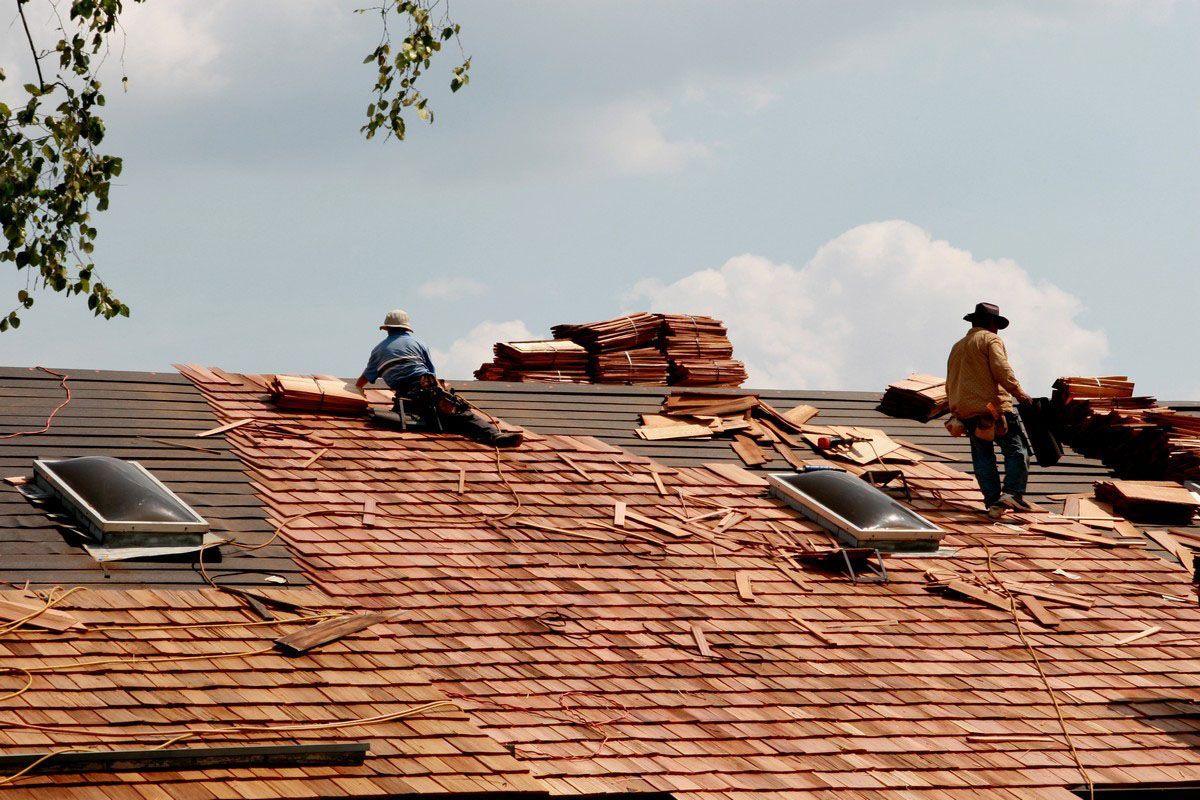
Modern shingle systems use established installation methods that allow trained crews to work in an organized and consistent way. Efficiency still requires preparation. Before installation begins, the existing roof should be evaluated for damaged decking, deteriorated flashing, ventilation problems, and other conditions that could affect the new materials. Corrections create a sound foundation for the finished roof.
The project schedule depends on the property's size and design, the materials selected, weather, and the amount of preparation or repair required. According to HomeGuide, replacing a roof generally takes one to eight days, with the duration affected by the roofing material, roof size, pitch, and overall difficulty of the project.
Workmanship matters as much as the shingles themselves. Correct fastening, alignment, starter strips, flashing, ridge details, and attention to roof valleys all contribute to a reliable installation. Mistakes in these areas can create pathways for water or leave shingles more vulnerable to wind.
Homeowners should ask what the proposal includes, how the property will be protected during work, and how unexpected deck repairs will be handled. A clear explanation of materials, cleanup, warranties, and project communication can prevent misunderstandings. Local roofing contractors familiar with residential installations can explain the process and answer questions before work begins. Homeowners should also ask how landscaping, outdoor furniture, and entryways will be protected during the work.
Modern shingle roofing combines weather protection, design flexibility, energy-conscious options, manageable maintenance, and established installation methods. Choosing suitable materials is important, but the condition of the underlying roof and the quality of the workmanship matter just as much. A professional roofing assessment identifies suitable improvements. Contact The Roof Medics to discuss your roofing needs, compare shingle options, and arrange a professional evaluation.